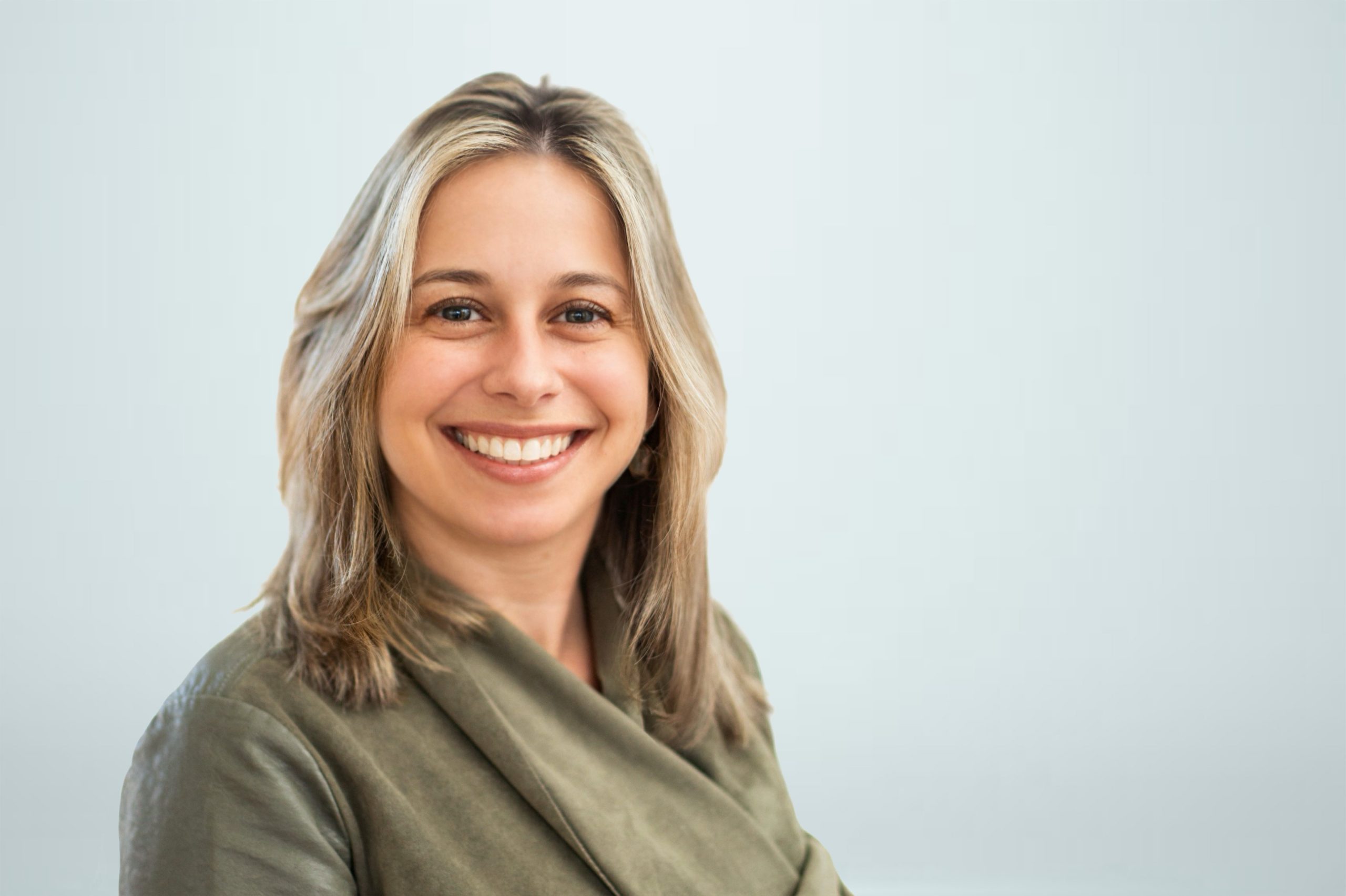
In this powerful and eye-opening episode of Parenting for the Future, host Petal Modeste sits down with Erin Williamson, Chief Programs and Strategy Officer at Love146, to unpack the realities of child trafficking—and what parents, caregivers, and communities can do to protect children.
The conversation begins with a sobering look at the global scale of human trafficking, including the alarming number of children affected. Erin shares how her early experiences working with vulnerable youth abroad shaped her lifelong commitment to combating exploitation, and how becoming a parent herself has deepened her perspective on the issue.
Listeners will gain a clear understanding of what human trafficking actually is—including common misconceptions—and learn how it can happen anywhere, even within seemingly safe communities. Erin breaks down key risk factors such as poverty, lack of stable support systems, and social inequities, while emphasizing that traffickers can come from any background and are often difficult to identify.
A major focus of the episode is prevention. Erin offers practical, actionable guidance for parents—from teaching children about boundaries and “no secrets” rules, to navigating internet safety and recognizing grooming behaviors. She highlights the importance of open communication, building trust, and equipping children with the skills to identify and respond to unsafe situations before they escalate.
The episode also explores the impactful work of Love146, including their survivor care programs, prevention education curriculum “Not a Number,” and partnerships with schools, law enforcement, and communities. Erin shares how their trauma-informed, long-term approach helps children heal, rebuild, and envision a future beyond exploitation.
Ultimately, this conversation is both a wake-up call and a source of hope—reminding listeners that while child trafficking is a complex and deeply rooted issue, there are tangible ways we can all play a role in prevention and protection.
In this Episode you will learn about:
- Love 146’s work to end child trafficking
- Factors that make kids vulnerable to trafficking
- Factors that protect kids from trafficking
- The role of race and gender in child trafficking
- How to talk to your kids about trafficking
- Warning signs of child sex trafficking
- Technology, screens and child sex trafficking
- COPPA – The Children’s Online Privacy Protection Rule
- “Not a Number” – a curriculum for prevention human trafficking of and
commercial sexual exploitation of young people
Petal Modeste: Right now, as we speak, nearly 50 million human beings are being trafficked around the world. 25% of them are children. Some are in your neighborhood, your apartment building, even in the schools your kids attend. What if we could do something to help these children? What if we could take actions to ensure that other children, including our own, do not fall victim to traffickers. Our guest today, Erin Williamson, is here to help us answer these questions. Erin is the chief programs and strategy officer for love. 146, a renowned human rights organization with the bold, audacious vision to put an end to child trafficking and exploitation. For over two decades Love 146 has brought together stakeholders and supporters from across the globe, who share this vision and its dedicated team journeys bravely and empathetically alongside children impacted by trafficking to help all of us understand the role we can play in ending child trafficking. Erin has a bachelor’s degree in social work from Skidmore University, a master’s degree in social work from Catholic University of America, and a master’s degree in public administration from American University. She has over 20 years of direct service program management and applied research experience in the fields of social service and criminal justice. She has an expertise in the areas of human trafficking and child sexual exploitation. Welcome, Erin, to Parenting for the Future. We are so honored to have you here.
Erin Williamson: Thank you so much for having me. It’s an honor to be here.
Petal Modeste: So, I always like to start these conversations, Erin, by understanding a little bit more about the background of my guests. So, tell us. What people and experiences would you say shaped you and inspired you to do the work you do?
Erin Williamson: Sure, you know, I’ve always been interested in children. I had a mom who was a teacher and then was helping kids get into college. And when I was in college, I actually did my study abroad in Kenya. And there I became really aware of street children, and of how young street children are in Kenya. We would see kids, you know, 5, 6, 7 on their own living on the street. And so, as part of my study abroad there I volunteered with both girls and boys, but it was really the girls there that shared their stories of how they maintain their safety, and really what it came down to was that at the time, the way for them to stay safest was either to be a group of girls with an older man who basically sold them for sex in exchange for offering them safety and protection, or to be kind of what was considered a “wife” to a group of boys, and they would forage for food, and then offer kind of sexual favors to these boys again for safety. And they really explained that that was because at that time that was safer than being on your own, because then the police would really be brutal to you, and would oftentimes rape you quite brutally, and there wasn’t a separation of child and adult prisons where I was in Kenya. And so then they would oftentimes arrest them and put them into prison with adult males. And so, really the goal was to kind of not be arrested, and in which case they would kind of be exploited even worse. So, I came back from that really just shocked that this could exist in our world. I got involved in child sex tourism, which I didn’t even know existed, but is where people take vacations and then, either while they’re abroad, they happen upon, or sometimes they actually intentionally take a vacation to have sexual relationships with a minor overseas, oftentimes telling themselves that it’s culturally appropriate over there.
Petal Modeste: Oh God. Yeah.
Love146: These kids or these families, whatever narratives they need to tell themselves, I will say, now I’m often inspired, and I think of my own kids. I have 2 kids. I have one who’s 13, an older boy and a younger girl who’s 9. So now that my work has kind of returned to what’s happening in the United States and I’ve seen my kids grow up and are now at the age of many of the kids that we work with, you know it hits you differently, as you have to make decisions as a parent around what you’re going to do. And so I think I have an even broader perspective. Now that I am a parent myself.
Petal Modeste: Yeah. Before we delve into the work of love 146, I really think it’s important to appreciate the severity of the crime of human trafficking. And in particular, child trafficking, you shared some of the experiences that you got to understand while you were in Kenya, and a lot of these things continue today all over the world. Brazil, I mean lots of places. Eastern Europe, so many places, and sometimes in our own neighborhoods, and we don’t realize it. How would you define human trafficking and what are well-known and lesser known forms of trafficking?
Love146: Sure, yeah. And trafficking does take a wide variety of forms. And it can be difficult to understand. So, when we’re talking about adults, we really focus on the words force, fraud, and coercion. Right? Those are kind of the three words you need to have, at least here in the United States to prove that there’s trafficking victimization, and that’s for both labor, trafficking and sex trafficking. If somebody is, through the use of force, fraud, or coercion engaging in kind of commercial sex sexual exploitation, or any kind of forced labor that falls under the legal definition. With children it’s a little different. Because and what we say is, there’s no such thing as child prostitution, right? That doesn’t exist. What you might have heard or thought of when you think of child prostitution that’s really falls under the definition of trafficking. So, you don’t need to have forced fraud or coercion really for child sex trafficking. It’s any commercial sexual act for anything of value. So, for example, if you have a youth, and this is not an uncommon situation, who’s sitting outside a McDonald’s, and somebody comes up, and the youth says, you know, can you buy me a meal? And that person says I’ll buy you a meal, if you’ll, you know give me a sexual act in the back that falls under the legal definition, because the idea being that, a child should be able to have access to their basic needs without having to engage in any sort of sexual act. And so that actually is a crime to kind of engage in that trade. With labor trafficking. You still do need broader coercion, because, for certain ages it is legal for kids to work, you know, above a certain age and in certain industries. And so, force, fraud, and coercion is still required for that labor trafficking. And then I should note, and this happens more internationally than here in the United States. But the ILO actually broadened the definition of trafficking a couple of years ago to include child marriage when there’s also a commercial exchange. So when it falls into that kind of an exchange of something of value as part of the marriage, then that also falls into the definition of human trafficking.
Petal Modeste: And I’ll just note for our listeners that ILO is the International Labor Organization. Okay, so what are some of the leading risk factors for child trafficking. And what role, if any, might things like race, gender, age, or ability play in making children more vulnerable to trafficking.
Erin: Yeah, absolutely. So, you know, one of the largest risk factors for trafficking is not having your basic needs met. So, it’s poverty, right? And so, we do see, you know, poverty playing a huge role in trafficking. And I should have noted also that the definition doesn’t require any movement, so you can be trafficked in your own home. You can be trafficked in your own community. You aren’t required to cross borders. And so, you know, in communities, in countries where we see significant poverty, we do see more trafficking victimization. When we look at kind of other indicators, a lot of them do have to do with other risk. Factors of reasons that your parents might not want you at home or home might not be safe and focused on children right now. But you know we have a lot of youth who are involved in the child welfare system right? Something was not safe about their home, and it was not safe to the point that the State felt like they needed to remove that child from their home. They’re at a greater risk for trafficking. We also see the LGBTQ population. If there is any sort of feeling like they’re not going to be welcome in their home, then we do see that there is that those kids will oftentimes run away, and kids may not feel safe in their home for a wide variety of reasons. When we look at larger systems. And we look at kind of what exists in terms of racism, sexism, all of the isms of the world, you know, those do have disproportionate impacts on poverty, on education, on all, on system, involvement, right? And so, there is an intersection that exists between all of those things that can really create the perfect storm for trafficking to occur. And I will say sometimes traffickers, even leverage those identity factors. Right? We have had kids who have been part of groups that have been sold where the kids are sold at different amounts based on their race.
Petal Modeste: Oh, my God!
Erin: Right. And so not only are they learning that their body is a commodity that can be sold, they’re learning the value of their body in comparison to their peers, solely based on race. So yeah, it certainly does play a significant role in trafficking.
Petal Modeste: So, who are child traffickers? Erin? Where do they operate? What are they like? What are warning signs that we and our children should be mindful of? Who are these people?
Erin: Yeah, I’m going to share a little anecdote. You know, I live in a nice community. My kids, you know, have a lot of friends. We have a lot of friends in our community. We were kind of in the center of town center for a concert a couple of years ago, and one of my neighbors turned to me and they went. You know, they know what I do, and they go. Okay, so do you really think that there’s a pedophile? Look around. Do you really think that there are pedophiles in our community? And I looked at him, and I went. I know there are pedophiles in our community, and he looks at me and he goes. Who? I don’t know. That’s the problem. If they were easy to detect. Then this wouldn’t be so concerning right. The challenge that we have is that there really are people that prey on children like you said in every community. It doesn’t matter what socioeconomic status you’re in and so you do need to be vigilant. Now, there are disproportionate things that make kids more vulnerable. But there’s not necessarily that same correlation with traffickers right there. There might be some, but we have seen traffickers, and you see this in the news with significant resources. Right?
Petal Modeste: Okay.
Erin: They’re not doing this because they need money. They’re not doing this because they lack things. They’re simply trafficking children. And so ,we need to really be aware of that. When you think of who traffic we’ve seen family members, we’ve seen parents traffic their own children. Oftentimes this occurs when there is poverty or a drug addiction. But we’ve also seen people who purport to be significant others, I can be your boyfriend, father figure, we’ve seen couples, traffic children, right? We can be your parents. We’re the house that you can come to if you ever feel unsafe, or you need to run away. We have whole houses that are kind of known to our child welfare population as being a place that they can go if they need to run away from their foster placements, or if they don’t want to stay there. We’ve seen, you know. Unfortunately, we’ve seen people who have put themselves into positions where they should be trustworthy teachers, you know, judges, traffic kids. So, you know, it’s hard to balance, because, really, honestly, anyone can be a trafficker. And we have seen people in all walks of life traffic children. When you say kind of, what are the warning signs? It’s really hard to look at the warning signs of a trafficker. I really would say it’s more the warning signs of a groomer, and kind of buffering against that. And I think there’s, you know I’m going a little into kind of parenting, and how you do that. But I think it’s really looking for and preparing your kids for who’s trying to form an inappropriate relationship with your child, and who’s trying to kind of pull them away from their family and their friends. And so, one of the first things we talked about with our kids in addition to talking about, you know, what’s your private areas? And why do we have private areas? We talked to them about how we don’t have secrets in our family. And that’s really one of our number one rules. We don’t have secrets, and if anybody ever asks you to keep a secret from your parents or from us. You tell them my family doesn’t have secrets, because some of the first things that traffickers and that predators in general use is they try to test out Is this kid going to be able to keep my secret? Or are they going to go to an adult or a person of authority. And so, if you’ve ingrained, especially from a young age, this concept of our family doesn’t have secrets, I can always go to them, and that message does change as your kids get older.
Petal Modeste: Sure.
Erin: It’s more. And you go into more nuance, do he with? I’m just thinking older. But you can start at a really young age implementing these protective factors because you don’t necessarily want to teach your kids well, trust all teachers and law enforcement. And these people who are supposed to be kind of the people you go to for safety, and don’t trust strangers, because in reality that’s not how this really works.
Petal Modeste: Sometimes we hear about trafficking hotspots, and you alluded a little bit earlier to, you know some places where perhaps, like poverty rates, are very high, and so on. But do hotspots really exist? Because you just also said that anyone can be a trafficker right?
Erin: Yeah. And so, we really say, you know, that kind of that idea of hotspots. It really doesn’t exist right. If you, if you have a more populous area, you’re going to see more trafficking. It’s just I hate to say it’s a numbers game, but that really is what it is, you see, more trafficking in our cities simply because there are more people right? But again, oftentimes those kids are from those cities and trafficked into those cities. What you see more in suburban and rural communities is. Sometimes they stay within their cities, sometimes they are trafficked into more urban areas. Sometimes kids will stay in a single community. Sometimes they will go to different communities, depending on how their trafficker works and whether it’s of a larger network, or whether it’s an individual working on their own.
Petal Modeste: All right. So, let’s now turn to the work of Love 146. I understand that this organization was born when your co-founder, Rob Morris, traveled to Southeast Asia in 2002, to learn more about the issue of child trafficking. He found himself in a brothel with members of an organization that was working undercover to combat human trafficking, and in the brothel, he was placed in a room with a glass through which he could see several very young girls. Each of the girls wore a red dress with a number pinned on it and all of the girls basically sat watching cartoons on TV, while menus were handed out to Rob and the other people in this room And the menus listed different prices for different sexual acts, along with the numbers of the that were associated with the girls that would perform those acts. But Rob noticed one girl who was not watching TV. Instead, she was looking at him, looking at the other people in the room with a defiance and a sort of fight in her eyes and her number. The number on her dress was 146, and Rob has said that, you know, in looking at her something changed within him, because what he truly saw was not really just the issue of trafficking, which is what he had come to Southeast Asia to understand. But the humans were impacted by it, and of course he returned to the United States and formed this organization Love 146 as an homage to her and to his commitment to never look away from the human beings involved in it. So, the way that I understand it, you have three sort of main pillars to your work. You have survivor care which you do here in the US and also abroad. You have prevention, and of course you have community engagement. So let us start with your survivor program. Can you give us an overview of it, including how you reach survivors, how you develop individualized care plans for each survivor, and what kind of experts work directly with the children. You know, in this journey that love 146 takes with them as they are, you know, coming out of and trying to survive trafficking.
Erin: Sure, absolutely. So, our programs are in Connecticut, in the United States, and also in the Philippines. And they do look a little different because they’re based in the needs of the children in those communities. So, in the Philippines, for example, our kids are much younger. About half of our kids are exploited through commercial sexual abuse, material oftentimes through webbing. So, webcams. So, where somebody will pay to watch, oftentimes their parents sexually abuse them. And so, we have much younger kids. Oftentimes poverty plays a significant role in that child’s exploitation, and many times home is not safe, and sometimes their parents even are arrested and charged with their trafficking victimization. And so, in the Philippines, our kids live at the round home, and we provide them everything right. We provide everything from food to clothing. We make sure they get education. We have a farm on our property that helps feed the kids. We provide. You know, meditation. We do counseling with them for our older kids. We really help them get skills so that they can go off. And they can kind of attain economic independence. And we, it’s usually a much longer relationship with them so that they can really address the trauma they’ve experienced. Again, a lot of them were victimized by their own family members or their family members. If it wasn’t through a webcam. Their family members were oftentimes the ones that sold them for their trafficking victimization. Here in Connecticut again, I would just emphasize, when people think of Connecticut, you generally think of a wealthier state right? You generally think of a state that has resources, and certainly not. All the communities in Connecticut have an equal amount of resources. But we have worked with kids in every single county in this State since 2014. We’ve served over a thousand kids right? It is happening. And I will tell you if it’s happening here in Connecticut. Wherever you’re listening. It’s happening there as well, right? You wouldn’t think that it was happening in some of the communities that we’ve been in. But we have pulled up to mansions where those kids who are living in those houses are being trafficked. So, their risk factors are different. I will say oftentimes, when we’re talking about higher socioeconomic status. Sometimes we’re talking about parents that are really invested in their work almost to the point that they are ignoring their child, that they are neglecting them to the point, you might say emotionally. Their children have unlimited access to the Internet, and they’re really not monitoring what’s happening or who they’re talking to. And the children are trying to find a connection. Yeah, the same way, kids who are in the system are trying to find connections. And so, here in Connecticut anyone can make a referral. We get about half of our referrals from child welfare. But we get a lot of referrals from law enforcement. We get parents calling us. Schools are making a lot of referrals. Sometimes we’ll get youth that will tell us about other youth. When we first go out we will provide what’s called a rapid response. So, we show up. We meet with youth. We bring a backpack full of stuff that we have been told and found to be really helpful for this population. It’s everything from, you know, toiletries, an extra pair of socks, ChapStick journals to, you know, a Teddy bear and a blanket and resource cards with information of hotline numbers. Oftentimes you can imagine we’re another provider talking about a super sensitive thing, and kids will meet us with resistance. Or say, I told them not to have you show up. I’m not going to talk to you, and I’m.
We have an amazing rate of engagement, you know. Oftentimes we simply say, give us 5 min, and then, after 5 min, if you don’t want to meet with us. That’s fine. We’ve had kids time us start a stopwatch on their, you know, and literally. And we’re able to show them that you know. What we say is, we work with kids who have found themselves in really difficult situations, and they’ve had to make really difficult decisions. And we’re not saying anything we talk about today has or will happen to you. But we just want to make sure you have all the information so that you can make the best decision for your safety. So, we approach it very nonjudgmentally. We share a lot of information about half of the half to I should say, prior to COVID, it was about half. Now. About 70 to 80% of those kids will now go into our long-term services which are very intensive. We meet with kids about 3 to 4 h every week. If we go, we try to work on reengaging them in school. Only about half of our kids are regularly attending school when they come to us. Many of our kids either are eligible for or already or have some sort of special education. So, we will attend what’s called a PPT, a provider meeting at the school to help make sure they get all the services and support they need. If you know about food, lack of food, lack of housing, if those are risk factors, we’ll work with the family to figure out how we can shore up those risk factors, and I should say all of our staff are licensed social workers. So, you know, they’re providing kind of mental health counseling while they’re doing all of this other work. We’ll accompany them to court if they’re traffickers, you know, being arrested and being tried for the crime. We really do provide wraparound, holistic services. And we have a motto; we go where you go. So, we go out to the community. We meet with kids in their community in their house. And if kids move which a lot of kids in the child welfare system, especially adolescents do, they might bounce around from foster care systems, or they might even go inpatient for a couple of weeks if they’re feeling suicidal. That same social worker follows them around.
Petal Modeste: That’s great.
Erin: Yeah, it’s a continuity of care that’s oftentimes not available. And then, as they transition into adulthood, we really work on focusing on post-secondary education or a certificate if they’re interested and employment and not just a job but getting them onto a career path where their income can grow so that they can become financially independent.
Petal Modeste: I once had a great guest here who really worked quite closely within the foster care system. He had fostered, you know, scores of children, he and his wife and had adopted some of them and was extremely familiar with the foster care system. And this was one of the things that really struck me is the sort of lack of consistency for these kids. So that’s really good to hear. Now, Love 146 also has a human trafficking and commercial sexual exploitation prevention curriculum for young people, which is called “Not a Number” if I remember correctly. What are some of the key topics or modules that are covered?
Erin: Absolutely. And before I get into that I do want to note. So, you talk about consistency. Our motto also is, “we never close a case”. So, kids are able to reach back out for the rest of their life. Sometimes they let us know they finally graduated, or they’re getting married, or they’re having a baby. And sometimes they call us because they’re going to end up homeless, and they don’t know what to do or and they’re in a tight situation. So, I firmly agree with that idea of consistency and the value of it. Just knowing you have. Someone you can call can be so supportive and build resiliency within kids. Our Not a Number program which has been implemented in over thirty States across the United States was really built with a collaborative effort. So, we had a number of staff who had expertise in kind of public health and best practices around educating kids. We also, though, partnered with University of New Haven and University of New Hampshire’s Crimes against Children Research Center. And so, what University of New Hampshire, who continues to serve as our evaluator of all of our programs. So, we do get externally evaluated. They helped us really understand and realize that telling kids what to do just doesn’t work.
Petal Modeste: Yeah. Petal Modeste: Every parent knows.
Erin: Exactly. Exactly. Kids know. Drugs are bad. We teach kids. Drugs are bad all the time. Kids are still doing drugs. Right? It’s really about skill building. And so, they came alongside us to help us really hone our curriculum so that we weren’t just talking at kids, we were helping them develop skills. So, what are refusal skills? How do you kind of practice refusal skills? How do you help to identify who your key allies are in your life, who are the key supporters that you have, that you can go to? And how do you identify them before you need them? So, you know who to go to and where to go. How do you learn about the resources that exist in your community? If you need help and support and teach them about the hotlines. And let’s practice calling a hotline. So, it’s a five-module course, and just like I mentioned at the beginning of our conversation, it’s not really teaching about trafficking. It’s teaching about grooming. That’s what we do with them, right? We know that a lot of things happen before we get to the point of trafficking? Right? So what is a healthy and unhealthy relationship? What does it look like to be safe on the Internet? How do you get out of a sticky situation where you feel unsafe or uncomfortable? Or you’re worried if something does happen to you, who can you go to? What are the resources? So, we yes, we’re talking about trafficking, and that’s kind of where we’re leading to. But we hopefully want to make it so that they can identify these warning flags and respond to them before they even get close to the trafficking. Of course, we do talk about what to do if you do find yourself in a trafficking situation as well. But we really are primary prevention, and that means preventing a lot of things, even before we get to the point of human trafficking.
Petal Modeste: But, Erin, this sounds like something every single child in the world needs to hear about/needs to have access to. How can people get access to something like this?
Erin: Yeah. So, we really believe in the power of relationships. And we really believe that it’s that part of what is the magic of this curriculum are the activities that the kids do even with each other, right? So that they can start to question each other. “Oh, that’s a red flag”. “Oh, I’m worried about that”. They can see how other kids think about things, and so that they can have an adult that they know in their community who’s a safe person. So, we train people who are already interacting with kids to implement our curriculum. So sometimes, people who teach health in the schools, people who run after school programs, people who run homeless shelters. Because again, we know that the homeless population is at high risk. People who are involved in the juvenile justice or child welfare systems. Really, anyone who is regularly engaging with this population because part of our goal is to create this trusting relationship with that adult in their community and them so that they can go. They know again when they leave at least one adult that they can go to and say they’ll get it; They understand it, and they’re not going to be judgmental.
Petal Modeste: Yeah, I mean, I have had so many child psychologists, social workers, who have emphasized the role of one trusted adult in the life of a child, how powerful it is for positive impacts. Now you also have some resources and webinars, I believe, for parents and caregivers. Can you tell us a little bit about what those look like, and how people can again get access to them?
Erin: Absolutely so. Yes, we have a ton of resources. One of our biggest resources right now is, if you go onto our website on the top. You can click and sign up for parent emails. And we did this series of emails because we get a lot of questions from parents. And really, this is not just parents whose kids have been trafficked, but a lot of our supporters who are like, when do you introduce technology? How do you introduce technology? What if I did it wrong? And I introduced it too early, and I gave no restrictions. How do I walk it back? How do I talk about these things? Right? We all know there’s no perfect parent. Right? We all know this right. We all are just trying to figure it out as we go along. And so what we did was we created a series of emails based on our experience in this work and also our experience as parents. Right? How do you talk? And we really use the analogy of you know, when your child is born they don’t know how to cross the street. Right? You don’t. And you don’t just say, Okay, go figure it out right. The 1st time you cross the street with your child. Once they can walk you, you hold their hand and you teach them. You look both ways, and then you look again, and then you cross it, and you’re probably not doing that on an interstate. You’re probably doing that on a small road right at a crosswalk. And then and then slowly at some point you say, okay, I’m no longer going to hold your hand right. You’re old enough to know at some point they’re crossing streets without you. And then, you know, the goal is that at some point they could maybe even navigate New York City as an adult without you. There, right? But you’re not going to drop off a 6-year-old in New York City and be like, I’ll be back in two hours right? So, we kind of use that analogy around technology, right? You’re not going to. It’s not best practice to drop your 6-year-old into the Internet with no parameters or safety net, and just say, entertain yourself for two hours. I’ll be back, and we really talk about kind of how do you slow? How do you start off with that, you know, holding hands and looking both ways, and then slowly, allow for more and more freedom and responsibility. How do you have these conversations? What happens when your child does break a rule? Right? So, one of the important things I know we talked about at the beginning. That conversation we had about our family has no secrets. Well, I think another conversation that we’ve had in our family that, I think, is really important is as your kid broaches and is not yet in adolescence but is in pre-adolescence right talking to them of. Look! You are going to start going through a period in your life, where part of what is normal is you pushing back and you pushing the rules and pushing boundaries. And that might mean that some of the rules we’ve set up as a family, you are going to push those boundaries. You might even break some of those rules. And I’m not saying I want you to break our rules. Obviously, I’ve put those rules in place because I think they’re safe. But what I want you to know is that if and when you do break any of those rules. The most important thing for me is your safety.
Petal: Uhm
Erin: The number one thing I’m going to ask is, please come to me and let’s figure it out together. I’m not saying that there will never be any consequences, but we’re going to figure it out together, and I will prioritize the fact that you reached out for me because you valued your safety and figuring that out. And I think you know one of the things when we talk about when we talk with our adolescents that we work with. That, they say, is, well, I was worried about coming home because I didn’t know what was going to happen or I was worried about sharing that with my mom because I did XY and Z, which I wasn’t supposed to do, and I knew they would get mad. And so oftentimes kids are not sharing information with us and reporting when things are going wrong, because again, that concept, they might have done something they might have made a poor choice. That doesn’t mean we’re not engaging in victim blaming, but they’re worried about what the consequences or your reaction will be to that choice.
Petal Modeste: Yep,
Erin: Over the fact that something really horrific has happened to them, and they need your help right now.
Petal Modeste: Yep. I’ve been there. It’s very hard. And I think most parents have been there, or will be there to be honest at some point. And that’s why your advice about doing this very early, setting it up, letting them know that this is going to happen, that they will push back, and that they will break the rules, or they might make a mistake. But we’re here. We’re here, and we will never stop loving them, no matter what, and we need to be there with them to help them safely navigate it.
Erin: Absolutely.
Petal Modeste: I know most states in the United States, most countries, have statutory rape laws where there’s a sort of an automatic crime has been committed If you engage in sexual activity with a child. Do we have cases where children who have been sex trafficked, for instance, end up getting charged with prostitution? Are there sort of legal ramifications for children, even though we have statutory rape laws? But I feel like I have read enough news articles and so on that beg the question of whether or not these protections really hold?
Erin: Yeah. And that’s a great question. So unfortunately, there are still some states that do have laws where children can be arrested for the crime of prostitution, even though it is. You know, they’re a victim under the Federal definition. Sometimes they’re even a victim under their state’s definition. They just haven’t also gotten rid of the rule that they can be arrested. And sometimes I think there is a misunderstanding about how to best help this population, and so you can even have really well intended law enforcement, and judges who are quote unquote, arresting them for their own good. Arresting them so they have quote unquote, someplace safe to go, or they can access a program. And so, this is where you really need to work with your state. To help them understand that. You know, we need to create programs and systems that don’t require the arrest of a child for them to get the help they need that really should not exist. The problem is with our system, not with the child. The other thing that does happen and is that sometimes kids are forced to commit criminal acts as part of their trafficking. So sometimes traffickers will send kids in to groom and recruit other kids. Right? So, we have seen kids grooming and recruiting other kids in schools. Sometimes if they’re living in group homes, or if they’re inpatient in a psych ward, we’ve seen kids grooming and recruiting, sometimes online, you’ll even see kids grooming and recruiting other kids, and sometimes it’s because their traffickers have said, well, if you do that, then you don’t have to make as much money, or I’ll treat you better, or they don’t feel like they have a choice right? Other times the criminal acts can be things like petty theft, right? The trafficker can say. You know you need to be dressed a certain way, and you need to figure out how to do that. Well, if you have no resources, but that’s the directive you’ve been given going in, and shoplifting is kind of a natural consequence of that directive, or sometimes you’ll even be told. Go, go, get that from that store. Sometimes. It’s you know, the trafficker will set up somebody who is purchasing sex to get robbed and that child might not even know that it’s a setup that they can get arrested once that person calls law enforcement. So, we have some laws in some States that are called affirmative defense laws, where, if that child can show that that criminal act was committed as part of their victimization, that’s a defense that is allowed to be used in court against any kind of charges. I will say I don’t think we have enough affirmative defense laws on our books in the States, and they don’t cover enough criminal offenses. Sometimes they might cover, for example, only grooming and recruiting. They’ll say only a child who does that can’t also be charged with trafficking, because what we were seeing was children tried as traffickers alongside their trafficker because they were sent in to groom . And that doesn’t make any sense, because again, they’re doing that as part of their victimization. So, I do think we need to look into it. And I know at Love 146. Even this session we’re really advocating for an expanded affirmative defense that would offer in the State of Connecticut would include all misdemeanors. So, children who committed any sort of misdemeanor as a result of their victimization could, you know, show that , I committed this crime as a result of this victimization.
Petal Modeste: So, one of the things that the team at love 146 rightly acknowledges is that to end child trafficking, we really need to work with a huge number of stakeholders and supporters, people from different backgrounds and with different platforms and perspectives.
But what they have in common is that they all believe no child should be trafficked. And so you have several partners in your work. I know you do some advocacy work with State legislators, and so on. You just refer to some of that happening in Connecticut. Who are some of your key community partners in your work?
Erin: So, our kids oftentimes have a lot of needs and a lot of, and they really have complicated lives right? And sometimes their parents have complicated lives. And so, we partner very, very closely with other nonprofits in our community. Other nonprofits that are helping to meet basic needs as well. Sometimes our parents have their own trauma that was never really addressed. And so sometimes we’re connecting parents with their own victim advocates to help them address the victimization they might have experienced as a child, or maybe they are even an ongoing experience in their life. Again, when the traffickers have been arrested and are being prosecuted, we partner with law enforcement. We partner with prosecutors really to help support that child as they go through the criminal justice system. I think we often forget that it’s not the child that’s bringing the case against the trafficker. It’s the state, and the child oftentimes doesn’t really have a say in how or what the charges are. So, they’re just kind of expected to go along with what’s happening. Sometimes they’re asked for input and there are good prosecutors in law enforcement that engage with children that way. But they still need support going through that system, you know, a lot of times. If they are involved in child welfare. We’re working with their caseworker. We work with post-secondary education. So, the community colleges and the vocational programs in our community. We work with employers who are employing our youth and helping them to gain economic independence. We really do try to kind of create a wide net of people that we partner with like you said, both locally and nationally. For our prevention education program. We’re partnering with schools and after school programs, we’re also partnering with State legislatures to try to get them to recognize, like you said every child should have this right. Every child should be provided with the information to keep them safe. And I don’t think we do enough to really support that implementation. And sometimes that requires also mandating that sort of programming for our children when we really can’t, can’t find access to them. Some States have mandated prevention education for trafficking victimization. We have found in those States that a lot more prevention education does occur because of that. Sometimes it’s within school systems, sometimes it’s just within residential facilities, because they realize that the population is exceptionally vulnerable. We try to spread a wide net. This is one of those issues – It’s bipartisan people like you said, who disagree about a lot of things everyone kind of recognizes like this is egregious, and children should not be trafficked.
Petal Modeste: What have been some of your most notable wins in this regard in terms of partnering with various community members, whether they’re nonprofits, legislatures, what stands out in your mind as one great win for Love 146.
Erin: You know, the great wins that I remember are, of course you hear the individual wins of the kids right. The kids that got themselves, you know, got themselves through college, and never even thought that that was a possibility in their life, or, you know, are finally in a healthy relationship and realize, this isn’t just in fairy tales. This is something that they, too, can get. In terms of the partnering. Where I really love to see the change is when you know it’s going to be a long-term change and affect a lot of people. So, when you do training with law enforcement and you have law enforcement that come up to you afterwards. And they say, “I think I’m going to approach kids in a different way. I see what you’re saying. I think that I’m going to shift how I engage with these kids. When I come across them, I realize that something that I thought was okay or I wasn’t even really thinking about was actually hindering my ability to connect with them in the way that I need to for them to feel like I can be a safe person that they can come to.” When you see that. And you know that that type of change in an adult is going to impact. You know multiple kids over the rest of their career. That’s an amazing change, you can see. Helping one kid is amazing. And also knowing that you’ve helped future kids that you’re never going to meet is also so impactful and helpful. And then, of course, you know, there’s the legislative wins when you know that right? If we’re able to pass this affirmative defense legislation. Who knows how many kids are going to, then go into court and be able to leverage it. We might not know. We have a quotes channel in our organization slack. It’s just quotes that kids have said. Sometimes we’ll get quotes from parents or quotes from providers about the changes that our staff have made in these young kids’ lives. And they’re just so amazing because I think you can see in so many of these quotes that the future has opened up things that they didn’t think were possible for their future or their children’s futures. They can now envision, and that just that is so amazing.
Petal Modeste: Yeah, it’s a powerful thing. It really resonates with me. I mean that’s kind of why this podcast was started as well. We want to give everyone who parents, everyone who looks after a child, everyone who cares about a child, a real understanding of the forces that are shaping the future, the new things that are on the horizon, but also all things like child sex trafficking and forced labor, and all the isms that you referred to earlier that we’ve been grappling with as a human family forever. How do we really understand these things? How do we understand their roots? How do we understand how to pluck them out, how to change the narrative for our kids that could mean better outcomes for everyone. And I I feel as you’re talking. You know, the joy and the inspiration of getting those quotes, and it’s such a great idea to keep them to keep you all going, because this is not easy stuff.
You believe at Love 146 that we should prepare our kids for the world instead of trying to manipulate the world to be safe for our kids. It’s one of the quotes on your website that stood out to me really, really, strongly. So, I want us to talk a little bit now about how we do this? Well, how do we teach our children to safely manage the risk of child trafficking right, whether it’s in the digital world or in the real world. What are some of the most powerful protective factors that we could deploy?
Erin: And I now speak to this a little bit as a parent. Right? And I’m navigating all of this. First of all, one of the biggest things that you can do is actually articulate and say all the things that you think your kid knows. But you’ve never actually told them like, “if you ever find yourself in a hard situation or a difficult situation. I want you to know that I want to hear about it right, even if it’s hard. I want you to come and tell me. And if you’re not comfortable telling me that’s okay, I want you to find someone else that’s safe that you think you can tell right?” So, you’re kind of both telling them that you would like to be that person. But you’re also per- missioning them to say the number. One thing is that you find someone right, find someone safe and tell them. Things like, if you ever break a rule. Right? The most important thing is your safety. Sharing all of these things where we think our kids know this right? We think our kids should automatically trust us or know that we. But we haven’t actually verbalized that to the kids. And we say this a lot also to like teachers and to after school professionals right? Like you think, oh, well, because I’m a teacher, they know they can come to me or because I’m in this position in the after-school program, they know that they actually aren’t right. Kids actually don’t know that right? Not all teachers are safe and not all teachers want kids to come and talk to them. They’re not comfortable with that right?So, I think that it’s really important that we articulate to our kids what we would like to see from them, and also know that if it’s not us, that’s okay. We want them to find someone safe. We want them to feel okay. I will tell you, my child has a journal right? She often experiences it. She’ll say I have thoughts in my head, and I don’t know what they are. I’m feeling and so we have her write them in her journal, and sometimes she’ll choose to tell me and read to me aloud what she’s written, and sometimes she won’t. But we have a promise that I’m never going to go through that journal, and I say I will never go through that journal. That is your privacy. But I have told my son, who has a phone. Your phone is not your place for privacy. I will go through your phone. You want privacy. You keep a journal, I promise you. I won’t go through a journal, but no one can take a screenshot of your journal. No one can…
Petal Modeste: Forward it everywhere.
Erin: Right? Yeah. And so I think sometimes it’s also sharing with them. Where can they have privacy? And where can they not have privacy? Right, you know. Obviously, I’m not going to go through my 22-year-olds phone. But at thirteen, you know, I we have an app that sends us automated notifications based on. If there’s problematic language or violence or anything that’s happening. So, you know, I think that some of this is really explaining to them again. The world is generally safe, right? I do what I do. My kids still go on sleepovers. My kids still go to overnight camp. I want my kids to feel and to know that the world is generally a very safe space, right? The majority of adults and kids are very safe people who would help them if they ever needed help. That said not every person is safe and I want them to know what to do if they find themselves in an unsafe space. And that’s how we talk about it. We also talk a lot about trusting your gut right? A lot of our kids who we work with, who are trafficked were either told not to trust their gut. Or, you know, when they did explain, share something with an adult, they were not believed, or they were blamed. And so really, the critical things that we can do is, look at, how do we prepare them. And then also, how do we react when they come to us? Because I will tell you a lot of times how you react is going to impact whether your kid’s going to tell you one the full story, and two, any future stories.
So, I know that it can be. If you’re, I’m just giving an example. Your kid goes out. You’ve told them not to go to a party. They go out, they drink, they. There was a car accident. The first instinct so many of us have is to yell and scream, and I told you not to go to your drink. Are you drinking underage? You got into the car? I get that. If you can hold it. The 1st thing you need to do is hug your kid and say, I love you, and I’m so glad you’re safe. And just allow your child and yourself that release of emotion that it could have ended differently. And then you have time to address all the other things.
Petal Modeste: Love 146 has 5 Internet safety rules of thumb. You’ve referred to some of this a little bit, but I thought it would be important to highlight this before we close off 5 Internet safety rules of thumb to keep our kids safe from online creepers, because that’s what they are. What are these 5 rules?
Erin: This is a big one for me. Don’t trust default, privacy settings. So, a lot of us assume that the privacy settings are set to the safest. I want to really explain something to you. The reasons. Apps, say 13 or over, is because there’s a law called COPPA. And it means that on the Internet, the people who run those websites are not allowed to collect data on any children under the age of 13. They want to be able to collect your children’s data. So, they are 13 and older, so that they protect themselves so that they can say, well, we said 13 and over, no one should be on this website unless they’re 13 and older. So, we’re going to collect and sell and use all of the data.
Petal: Yep
Erin: So just so, you know, 13 and above has nothing to do with Internet. If you want to know if an app is safe for your kid. I really highly recommend the website, Common Sense Media. They review every single app. They review TV shows, they review movies and they can give you a really good understanding of what age they recommend. And why? Right? Is it? Because it’s sexually explicit content? Is it because it’s violence? They’re really a great website. I use them all the time. I share that. I use it for my own kids. I actually have my kids who will go on and show me what common sense media says about a movie. That’s how much we use it in our family. The other thing to know is a lot of these apps. They make their money based on how many social connections and how long kids stay on an app. So, they set their settings so that they’re in some ways the most addictive, possible. Now, some social media companies have recently said, we’ve changed our default settings so they’re safer for kids under 18, right? They’ve only done that because they know they want to avoid regulations coming from the Federal Government right? There was a lot of social pressure to get them, and I will note to you, not all apps have even done that. So, it’s really important. any app your kids are on. Have them show you the privacy settings again. They’re common sense media. And there are a lot of other websites that can help you learn how to change privacy settings on every single app. Google, the name of the App Google privacy settings. And there’ll be some sort of video to walk you through.
Second, have an exit plan for so many of the you really got to talk to your kids about what do you do? Not if. But when someone DMs you, you know direct messages, you. Reaches out, or someone who’s a who you think is a creeper, or who says something that’s inappropriate. Who’s engaged in bullying. What would you do right? We think kids know what they would, most of our kids would say, I’ll ignore them? What about blocking them? They’ll say, well, then, they’ll get a message that they’re blocked in most.
Petal: No, they won’t get
Erin: a message right? But kids don’t know that they think, oh, if I block that person. They’re going to get a message that they were blocked. Let’s talk about the reality. That that’s just not how this works. Right? So really, talking to them about an exit plan for not if, but when they find themselves in a sticky situation online, because all of our kids are going to find themselves in that. Also, it’s okay, to be a little bit paranoid. You may think that you know what someone’s going to do with a picture, right? You may that this is someone you can trust. They might promise you that they won’t share it with anyone, but just know anything you say, or text or share on the Internet can be screenshot. Even Snapchat, where things are supposed to disappear, you can screenshot it right. And then, once you send it. Even. We have seen secrets that were texted and then screenshot and shared. Right? It’s not just photos, but it’s okay to not want to share those things through any kind of social media. You want to share a secret. I know it’s old fashioned but call them or tell them when you see them face to face. Don’t share any kind of explicit image, assume any explicit image you share is going to go viral. There is, however, I do want to tell you. If you do have an image out there, or your child, or any of their friends, there is a take it down, NCME the National Center for Missing and Exploited Children does have a program that can help you automatically remove all explicit images of anyone under 18. So do please reach out to them and leverage that. Also stay in safe places online, right? Just like we talked about crossing the street and holding hands, right? We’re going to tell our kids like, don’t walk down a dark alley, right? That’s not a safe way to walk somewhere. Right? The same is true for the Internet. There are apps where the whole goal of the app is to talk to strangers online. That’s not a good app to even try out right. Follow your gut. You know the other thing I told my child when he got his phone is, I said, you can never unsee something. I also said to my child, if you’re old enough to get a phone. You’re old enough for us to have a real conversation about pornography . And then finally, the thing is always, always, always reinforce the idea that they should tell someone and ask someone for help right again. Tell them you would love to be that person that they tell. But the most important thing is not who they tell. It’s that they tell an adult. There’s also hotlines they can call to get help with. You want to be that person. But don’t emphasize that over. Just the idea that they should tell somebody, because you don’t want them getting hooked up on. Well, I’m not telling my mom or my dad so maybe I shouldn’t tell anyone. No, no, no, no, honey, go tell an adult.
Petal Modeste: If parents or caregivers, or anyone in the life of a child suspects, that a child is currently being trafficked or maybe targeted for trafficking. What should they do?
Love146: Yeah. So that’s really, that is a hard conversation and a hard thing. Because, you want to kind of get enough information that you can make a report to the appropriate people who would then actually do the interview right? We don’t want kids having to tell their story, or having to talk about it many, many times. I will say the world of multidisciplinary teams around child victimization has really come a long way. And so, you know, we have things called forensic interviews, where the idea is that a kid only has to share a story once and that is recorded. So, law enforcement. Everyone can see that and get the information they need without everyone having, you know. Sometimes they’re used to being interviewed in school and then by child welfare, then by law enforcement. Then, if it was going through the court, they’d be interviewed by the prosecutor and then have to talk on the stand. It was just very revictimizing. So really, I think if you have those concerns, you know, one emphasize to that child depending on your role in their life that they can always come to you if they ever want to talk to any about anything right, that you’re there as a safe adult, and whatever you they share with you, you know you. You’re not going to judge them. You’re not going to think less of them, no matter what they tell you. Don’t promise them you won’t tell anyone, because you might have to tell somebody right. And then know what your state child welfare number is and report it to child welfare. If you really are concerned about trafficking, or you really are concerned about some sort of victimization. That is the system that we have tapped within our country to be the one that really is the most well versed in talking with these kids and these families, and in helping get them the support they need.
Petal Modeste: Well, the team at Love 146 has these core values that guide your work and some of them include things like defiant hope, deliberate collaboration, and relentless advocacy. But the value that resonates most with me is unfiltered joy, and it is this pledge of yours to laugh and play, and celebrate the dignity of each person, and to cherish the wins as you work with children who are overcoming, and it’s also your commitment to never stop envision in a world without child trafficking because obviously such a world brings you joy. And so that brings us joy to Erin. And as a result. I am extremely grateful that you visited us today. I am completely in awe of the work that you’re doing. I know that a lot of our listeners would want to find ways to get involved, to partner with you to support your work. So please share your website, or you know the portal through which they can do that as we wrap up.
Erin: Yeah, thank you so much. I mean, we do to your point. We do really help these kids through the support, and that we get right. And a lot of that’s from individuals, right? So, thank you so much for that offer. Our website is Love146.org. And we do have ways for you to give. Online. Monthly donors are wonderful because we ‘re there with us for the long journey, and we know we can rely on you the same way. The kids rely on us so we would love for you to follow us on social media, we’re on all the major social media sites. But thank you so much for following our work. Thank you so much for having me on your show. I really appreciated it and thank you so much for everyone who’s listening.
Petal Modeste: Thanks, Erin again, and I hope you’ll come and visit us in the future. Thank you so much.
Erin: Absolutely.
Subscribe to the PFTF podcast
The "Parenting for the Future" podcast connects you the experts leading the charge toward a brighter future. Gain fresh perspectives and actionable advice for nurturing future-ready kids.