"The Fresh Air Fund"
with Lisa Gitelson
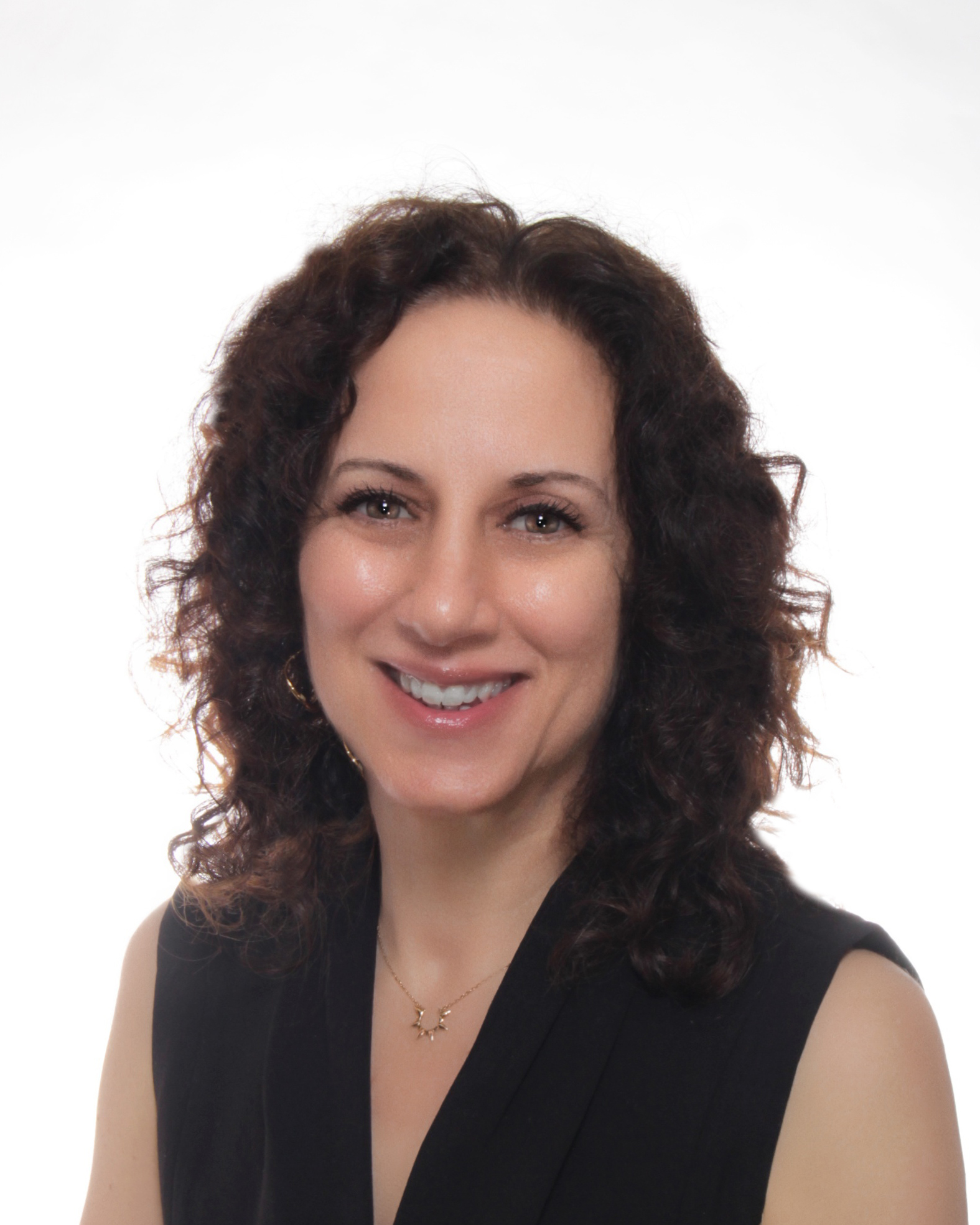
Season 10, Episode 06
In this inspiring episode of Parenting for the Future, host Petal Modeste sits down with Lisa Gitelson, Chief Executive Officer of The Fresh Air Fund, a 148-year-old youth development organization dedicated to providing free, transformative outdoor experiences for children from underserved communities in New York City.
Drawing on over three decades of experience in child advocacy, social justice, and systems-level work supporting vulnerable families, Lisa shares her personal journey—from growing up in a family of social workers, to becoming an attorney, to ultimately leading an organization that champions outdoor equity and youth empowerment. She discusses the profound impact that immersive time in nature has on children’s emotional, social, and physical well-being, particularly for those who lack safe, accessible green spaces in their own communities.
Lisa offers a behind-the-scenes look at Fresh Air Fund’s six summer camps, their thoughtful curriculum design, the role of counselors and social workers, and the organization’s data-driven approach to nurturing confidence, resilience, curiosity, and community in more than 2,200 campers each summer. She also highlights year-round programming, career development initiatives, strong community and corporate partnerships, and how they support families throughout the journey.
Ultimately, Lisa shares a hopeful and compelling vision: that every child—regardless of background—deserves to be truly seen, heard, and supported so their limitless potential can flourish. This episode shines a light on what it means to create equitable opportunities and why investing in children’s experiences today shapes a brighter future for us all.
In this Episode you will learn about:
- The history of the Fresh Air Fund
- Not defining children based on the communities from which they come
- The Fresh Air Fund camps and summer curriculum
- How the Fresh Air Fund serves children year-round
- How the Fresh Air Fund develops young leaders
- How families influence the work of the Fresh Air Fund
- Corporate partners and their role in the work of the Fresh Air Fund
- How you can support the Fresh Air Fund
- Why green space and time in the outdoors can change a life for the better
Petal Modeste: What if we could change the prospects for millions of children in the US who, because of poverty and structural inequities are unable to access the resources and opportunities needed for healthy development and a successful life? What if we could reduce the high risk that they develop behavioral, social, emotional, learning and health challenges that ultimately might prevent them from fulfilling their potentials? Well, our guest today, Lisa Gitelson, has some answers. She’s the chief executive officer of the Fresh Air Fund, a youth development organization, which for 148 years has been providing free, transformative outdoor experiences for underserved kids between the ages of 8 and 15. In New York. Lisa has a BA. From Colgate University and a J.D. From Washington University in St. Louis School of Law. For over three decades she has worked on behalf of the organizations, institutions, and court systems tasked with protecting vulnerable families and children. She is here today to share the work of the Fresh Air Fund in creating new paths and possibilities for underserved children. Welcome, Lisa, to Parenting for the Future. We are so honored to have you here.
Lisa Gitelson (she/her): Thank you for having me. I’m very happy to be here. Appreciate it.
Petal Modeste: So, I always like to start these conversations, Lisa, by understanding a little bit more about the background of our guests. The people, the experiences that shaped them and inspired them to ultimately do the work that they’re doing. So tell us a little bit about your background. Where did you grow up. And who would you say, were the adults that most influenced you?
Lisa Gitelson (she/her): So, I grew up in a family of social workers, and I kind of always joke a little bit. If your family owns a bakery, you’re probably going to become a baker. And all of my family, both of my parents were social workers. I had several aunts and uncles who were social workers. At this point. I have cousins that are social workers. My brother was a social worker, my sister-in-law, so I just thought that was what you did.
Petal Modeste: Right.
Lisa Gitelson (she/her): So in my mind you went into some kind of social justice work I had planned on becoming a social worker. While I was at Colgate I became involved in a very large advocacy project. I also had the opportunity to work in the Governor’s office and meet with the Commissioner for children’s services, and those three experiences of growing up in a world of social workers, of doing a huge advocacy problem while I was in college and also meeting somebody who did child advocacy work as an attorney re-steered me towards going to law school and realizing that I could still do social justice, social impact work as an attorney, that social work is a great way to do that for me the right path was being an attorney. So that’s kind of how I got here.
Petal Modeste: Yeah. And you did. You started your career your legal career representing Foster care agencies. I think you did that for over a decade. So how did you end up now at the Fresh Air fund. What was the journey from there to where you are now?
Lisa Gitelson (she/her): So, I’m going to take it back a little bit. As a kid. I went to Sleepaway camp for 4 summers. I worked as at a camp for special-needs youth for 4 summers, and especially working at the camp, was really formative to me, and the ideas of what it meant to have outdoor summer activity, education, experience with youth who might not otherwise have access to that that stayed with me always, that really steered me in part to working in youth development but would really take me later on in my journey to the Fresh Air Fund. I’m somebody who deeply believes in the power of the outdoors for my own two children that are both young adults now, we’ve spent tremendous amounts of time in the outdoors, and I know deeply that the outdoors has the ability to provide for our mental health, for our emotional health, for our physical health and also the outdoors for many of us provides opportunities to do things we’ve never done before to push ourselves to challenge ourselves. And I believe deeply that that makes a huge difference. So I did spend many years working in the foster care system. I spent a time working in advocacy work for foster care and child welfare agencies. And I did programming at different places as well, and I really think all of those things together brought me to the Fresh Air Fund and the opportunity to do some work that was much more proactive than reactive, and for me, that felt right in my career at that time it felt different and important. And to offer opportunities of equity to the outdoors was extraordinarily exciting for me. And to think about this organization that has been doing this for so long and doing it like, I kind of say, like, we can’t do this for so long if we don’t change. If we did it the same way we did it. In 1877, we wouldn’t anymore. What does it mean to be the Fresh Air fund today? And for the next 5 years and the next 10 years and the next 150 years. So, I kind of joke every now and then that at some point the Fresh Air Fund is going to be in outer space, because that’s going to be fresh air at some point. I’m not because our air won’t be fresh, but because everybody will be in in space, and that will be like something we’ll do. But how do we do our best work bringing outdoor equity to the youth of New York City?
Every single day gets me up and gets me to work, and the people that I work with that believe so deeply in that as well really are what gets me up and gets me to work every day.
Petal Modeste: So, before we delve more deeply into the work of the Fresh Air Fund, I think it is important to appreciate who underserved children are, and some of the factors that have made them so. So. Over 11 million children in the United States are living in poverty. But in addition to socioeconomic status, what are some of the other characteristics that are common to kids who we consider to be underserved.
Lisa Gitelson (she/her): So, for us, like we think we thought a lot about using the word underserved. In our minds. There is a service that we provide that youth in New York City don’t have access to, which is why we chose that language. The words you choose are important as you discuss those you’re serving. So, I really try to say children who are in underserved communities. They’re not defined by the communities they live in. They do live in communities.
Petal Modeste: Okay.
Lisa Gitelson (she/her): We see this very often showing up in communities where there’s not enough green space, or where there’s green space but the entry into the green space is not in certain parts of the neighborhood. And I want to be clear like there’s tons of green space in New York City. Sometimes people think like somebody was talking to me the other day about the concrete jungle. It’s a concrete jungle, and it has plenty of green space.
Petal Modeste: Plenty
Lisa Gitelson (she/her): Plenty. In every borough there’s green space, and in every borough there’s green space that’s accessible without cost. So ,part of it for us is identifying the communities where there isn’t easy access, where there is not the kind of funding put into the green spaces that we would like to see, and making sure that we’re addressing the youth that live in those communities.
Petal Modeste: Thank you very much for that distinction. It’s nuanced, but it’s important. It’s children who are underserved rather than them being defined by their circumstance, because you are absolutely right. It’s up to us. We’re the world’s richest country, and we have not seemed to have figured out how to ensure that all families and children have the things they can thrive. So, let’s turn to the pressure fund. Now I understand. As you mentioned. It was founded in 1877 by a minister of religion in rural Pennsylvania, to provide country vacations to children in need from New York. I think the first batch of kids were from the Lower East side of New York, and there were about 60 kids who were part of that first camp. What makes summer, and you kind of touched on this when you talked about how much the outdoors means to you, but what makes summer in nature so transformative for a child, particularly a child who lives in the communities we’ve been talking about?
Lisa Gitelson (she/her): I think part of it is that what we do is prolonged time? It’s summer camp. It’s sleepaway camp. So, you are immersing yourself in the outdoors for an extended period of time. You are living in the outdoors, you know. That is a very specific difference than living in an apartment or living in the city, and I think the extended time gives you the depth of understanding. That also means when you want to come back to it for pockets and periods like you can kind of dip in again and get that strength of what it means to be in the outside. So, I think the amount of time that we offer kids to be in the outdoors is really important. I think our intentionality of what we do during the summer is really important. We are at this moment updating our curriculum, and when people think of curriculum, they often think about school.
Petal Modeste: Yes
Lisa Gitelson (she/her): Our summer curriculum like, what do you hope kids accomplish and learn and take away from your programs, we shouldn’t just be running a program. We’re running a program that we measure and make sure is offering the things we say it’s offering, and that we make that offer in conjunction with the communities we serve, making sure that what we’re offering is what the communities want. So, I think it’s about intentionality. It’s about planning, and it’s about extended access that happens in the summertime.
Petal Modeste: How do you connect with the families, Lisa, of the kids that you aim to serve? How do you find them? How do they find you, so that you ensure that you’re reaching the children who may face these barriers, who may not have, as you put it, so beautifully. outdoor equity is not part of their existence.
Lisa Gitelson (she/her): Sure. We work with a lot of data and a lot of research. And we know which communities are not getting access to the outdoors. And what we then do is a few things. We have over 70 partnerships with community organizations, and we intentionally partner in the communities that we know are not having outdoor access for the youth that live there. So, we will do recruitment through those community partners. We do a tremendous amount of recruitment that ranges from like going to a hospital and speaking to doctors, to say you should be referring your patients to us to going to schools and speaking to the Parent Association, to literally, sometimes just going into neighborhoods and handing out flyers and saying, “this is who we are”. We get a tremendous amount of youth that are referred to us by word of mouth. We get a lot a lot of like generational referrals. We also get a lot of neighborhood referrals. So if you live in a building and you know that your next-door neighbor sent their youth to our programs, you might be interested, too. So, there’s a lot of outreach that we intentionally go out to do and. then we also have this great world of ambassadors out who ask and tell their their family and friends, and everyone there. No, get your kids to the Fresh Air Fund.
Petal Modeste: How many kids do you serve now? What’s the typical number in the summer camps?
Lisa Gitelson (she/her): Over the summer. We will serve about 2,200 kids at our sleepaway camps. We also have year-round programs that we serve several 100 kids during year-round. Kind of the cornerstone of the work we do is our summer. But we’re also really looking at what it means to do meaningful outdoor activities year-round as well as other activities that we do to support youth year-round.
Petal Modeste: That’s a lot of kids. So, it’s a long way from 60. So, I understand that you have 6 locations – five of them at Sharp Reservation. I think it’s a 2,000-acre property. 5 of them at Sharp Reservation in Fishkill, which is about 2 h from New York, and apparently you have a model farm and a planetarium on the property. Tell us a little bit more about what the campers experience there.
Lisa Gitelson (she/her): So, the five camps that are at the Sharp Reservation. I do like to always use this as a reference point, because I think it really sticks with New Yorkers: 2,000 acres. Just as a reference. Central Park is about 700 acres.
Petal Modeste: Oh my gosh
Lisa: You kind of need three central parks, and that’s what we have. And we are incredibly lucky to have this kind of beautiful outdoor space. So, there’s five camps on those properties. if you were at any one of those camps you would never see another one of the camps. That’s how large.
Petal Modeste: Yeah.
Lisa: Feel very much like they are at their camp. For most of the camps that for all the camps they have their own facilities, almost everything. There are certain things that are shared. The planetarium is shared. We only have one planetarium. We are the only camp in all of North America, I’m told, that has a planetarium. And we do have a model farm that all of the camps share. We have high ropes and low ropes, courses that are shared amongst the camps. Almost everything else, everyone, every camp has its own.
Petal Modeste: Wow!
Lisa Gitelson (she/her): It is a beautiful site, with lakes to swim in, and all kinds of activities for the youth to participate in, and the 6th camp has the same things as well. The 6th camp that’s separate.
Petal Modeste: Okay. Now, how long is the summer camp? How many weeks? And how do you select the campers? Because you’re doing all this wonderful outreach. So, I imagine that you probably have a good number of people, obviously, who are interested. How do you select who ends up at camp.
Lisa Gitelson (she/her): Sure. So, we have an application process that opens up in December, and a large part. It’s kind of first come first serve as long as we believe we can serve your youth. There are certain youth whose challenges or behaviors might be more than we think we can safely manage, but it is pretty rare that there’s a child that we turn away.
Petal Modeste: Okay.
Lisa Gitelson (she/her): What ends up happening is, we start filling up the camps, and there will be wait lists, and you know families will stay on wait lists. With regard to sessions. It varies. Most of the camps do two-week sessions, but for some of the camps it’s three and a half weeks, and for one of the camps it’s the whole summer.
Petal Modeste: Oh, okay. And once they get to camp, how are the kids grouped? Is it by gender? Is it by age?
Lisa Gitelson (she/her): Some of it is gender and age, and some of it is interest. We have one camp called Hayden-Marks for youth that identify as boys that are 8 to 14. Hidden Valley is our mixed gender camp for kids that are 8 to 14. ABC (Anita Bliss Coler) is for those who identify as girls that are 8 to 14 . Camp Tommy has been revamped and is a camp that we’re super wildly excited about. Camp Tommy is for 15-year-olds to 17- year- olds, and they are our CITs, our counselors and training and our leaders in training. We’ve had counselors and trainings, and they’ve been sprinkled throughout the camps. We decided to intentionally put them together in one camp, so that all of their curriculum. All of their activities are focused on. What does it mean to be a counselor and training? And there’s lots of reasons for this one. We really hope those kids will become our counselors. We hope, when they’re going to be the next leaders, that those we serve become our leaders and in the off chance. They don’t want to work for us. We hope they’re just leaders in the world. Camp Junior is our camp that’s at Harriman State Park. It’s founded in honor of a 15-year-old, who was murdered, caught within a gang violence situation. And his mother really wanted there to be outdoor activities for youth of the Bronx, which is where he was from, she advocated really strongly. She got a lot of support from both city and State leadership, and they asked us to partner with them to open a camp. That’s strictly for kids from the Bronx camp is also for 8- to 17-year-olds, because they have their own CIT program. All the kids there are from the Bronx. And then the last camp is Camp Mariah and Camp Mariah is our career awareness camp that go there are rising 6th graders. We ask them to participate for 3 years because it’s a 3-year program, and it has a year-round component as well.
Petal Modeste: Okay. So, we talked a little bit about the fact that children who have been underserved may have social, emotional, behavioral health and other challenges? Who are the experts or other professionals that work with campus. And what protocols do you have in place to ensure that every camper feels seen and understood, and also that any issues that might come up related to the challenges campus might come to camp with that those issues are addressed efficiently, and of course positively for the campers.
Lisa Gitelson (she/her): We have a large social work team that provides support for both campers and for counselors, all of us, you know, many of us and have different challenges that we bring to the table, and we want to feel everyone is supported, both the youth and the staff. We do about 2 weeks of training for the general counselors and for the more senior staff. They’re getting 3 to 4 weeks of orientation before they come. So they’re given a large toolkit of how to work best and support youth. For youth who are returning and youth that are new. We have, you know, kind of a dossier on each child of the information family has shared with us, and we will prep for every single child. You know. Even the things like my child does best at night, if they can have this stuffed animal, or my child really, really doesn’t want to eat squash. Please don’t make them eat squash I’m just using myself. I hate squash.
Petal Modeste: I thought Squash was quite specific. Okay.
Lisa Gitelson (she/her): Specific things that you want to know about a youth. Or, or this youth had a close family member who died a few weeks before coming to camp feel anxious about it. I will say this year, very specifically, we’ve been doing training and talking about the youth that come to us any. Our staff’s feelings of anxiety regarding ICE matters, and whether there’s any you know fear about what’s going on at home, and what does it mean to be away from home during this time. So very specifically this year, that’s one of the things we’re training on.
Petal Modeste: That makes a lot of sense. So, you talked a lot about some of the programs you have. You talked about Camp Mariah, which is a 3-year commitment. You talked about the camp that’s focused on careers and training for counselors and leaders. So, give us a stronger sense, I guess, or tell us more about how you support your campers beyond camp, and also what about their families? Because it seems to me, you know, obviously, you’ve been entrusted with these young people, but they also have a structure within which they live, whether it’s their parents, grandparents, whoever. And so, I’m interested in that bridge between what they’re learning in camps, how you’re supporting them, but also the role that their families might play.
Lisa Gitelson (she/her): So, for some of the families. And this is a smaller group. About three years ago we started a family advisory panel. We also started youth, advisory panel and an alumni advisory panel. Because all of those voices should be at the table when we’re making decisions and be part of what we decide. So there’s certainly like this group of parents that speak on behalf of all the parents. And those parents wrote can rotate into the work group
Lisa Gitelson (she/her): during the summer. We hope parents are going to feel really confident about the care their child is giving. But we have 24/7 support. If a parent wants to call and see how things are going. We do orientations for all of the parents. So, they have a lot of information about what is going to be happening with their child at camp, can ask questions, can see what camp looks like, can understand, like what the summer will look like for their youth. With regard to year-round programs or year-round support. We have several programs that happen year-round. We have the career awareness program, which is continues on from Camp Mariah, we have a college prep program. There’s are 3 programs. – one that’s for kids that identify as boys, one for kids that identify as girls, one for kids that anybody can join, no matter how you identify, and each of those are kind of like, how do I become an adult in this world program?
Petal Modeste: You have a very impressive and extensive list of corporate and community partners. You talked a lot about how your community partners help you with outreach and help you connect to parents. What role do your corporate partners play?
Lisa Gitelson (she/her): I’m going to use as an example. Today, we had a large team from one of our corporate partners who came to the departures and was helping us kids paperwork and getting kids onto the bus, giving the kids the water, you know, telling the kid who’s kind of scared like it’s going to be okay, and why it’s going to be okay.
A lot of our partners do job shadowing for us. We have a lot of cleanup days at camp, where people will come up with a team from their corporate partner and like, spend a day planting, or spend a day clearing, or spend a day getting the high ropes course ready. And then we also have very generous financial support from those corporate sponsors. The work that we do, and I haven’t said this yet. It comes without a fee to the families we serve. There’s no fee to any of the families that have their youth participate in our programs. So we need to do extensive amounts of fundraising throughout the year, and our corporate partners are also part of why we can do this work because they support it financially as well.
Petal Modeste: How do you measure success, Lisa, At the Fresh Air Fund, and not just in the numbers served, but in the long-term well-being of kids? How do you measure the success of what the Fresh Air Fund does long term? With respect to the well-being of the kids and the teams, you support.
Lisa Gitelson (she/her): So, I’m going to answer that in two ways we collect a tremendous amount of data like pre and post our services. To say, like this was a goal that a youth would feel more comfortable trying new things at the end of the summer. Did kids feel that way? It’s our goal that kids feel like more stewardship over nature in the outdoors. Did they feel that way? So, there’s we have a very extensive amount of data that we check to make sure that the things we say are happening are going to happen. But I also like to use as an example like, if you want to know who the kid who participated in a fresh air fund program is, go into a classroom and the child who’s raising their hand and asking a question, not just answering it, but asking a question because they feel strong in themselves, feel like it’s safe to ask questions, feel like it’s safe to wonder and figure out more of their world. That’s probably a kid who had the experience of building up like understanding of who they are building up the feeling of like, it’s okay to question my world and want to know more about my world and feels comfortable in their community so that they feel like it’s safe to participate in those kinds of activities. I would also say, like, I measure it by how kids create community. And that is something we literally do some data on. But when you go to camp you are doing all of these new experiences. You are also participating in making community and learning what it means to create new relationships and to create community and to lead. I was at a departure once. Sometimes they take pictures of, like all the kids by borough. So, I was taking a picture with all the kids from queens. And I was saying to the kids like, what train stop do you live at, and what train stop do you live at, and what train? And I was like? So, when you come home from camp like you’re going to take the E train there and you’ll be able to see each other, or you’ll take the 7 train there. And this idea like, we’re interconnected. We’re all part of this city together. I didn’t know you before today. And now I do. And what does it mean to be in community with you as well. So certainly, a focus on the outdoors, and how it strengthens who you are as a person and makes you feel stronger in yourself and also in community building, and what it means to build community in the outdoors, which is kind of different than other places.
Petal Modeste: So, you know, Lisa, our goal on this podcast is to give all who parent a better understanding of the forces, shaping the future as well as cutting edge, parenting, tools and resources, all of which we can leverage as we raise our kids to thrive in and positively impact the world. Of course, we live in a time where we have, in my opinion, the technology, the resources, and the knowledge to assure that all of our kids can thrive. But we also have political agendas and other priorities, as well as entrenched structural inequalities that mean that a lot of our children are, in fact, underserved. And many of them face an uncertain future with no guarantee that they will actually be able to make their unique contributions. So, in the work that you do every day, you see the light at the end of the tunnel (for want of a better phrase) you can see what being in the outdoors will do for a child, even if their circumstances are not ideal. You talked about connection and the building of community. You talked about sustaining sort of a presence in their lives, and sort of helping them at different times in their journey as a young person. What do you dream of? You have 2 children of your own. I think they’re older now, as you’ve mentioned, but describe for us the contours of the vision you have for them. And when you think about the fact that all of them kind of have limitless potential, but they might be stymied by other things, what can we do to help that vision that you have come to life? We as people who parent and we as people who care about the future?
Lisa Gitelson (she/her): I think you know, the most important thing for youth is to be seen and heard, for who they are, not, who we want them to be, or who we imagine they might be when we were getting ready to have children, but who they actually are, and how to see and hear them, and listen with real hearing, and see them with real eyes. I truly believe that part of potential is about having at least one person in your life that sees all of who you are, because when somebody sees you and validates you, your potential is limitless. When you have that belief that like I can do these things that I think about for myself, that I can be the person that I want to be. I really think that’s what it’s about. I find my life to be enriched by every person that I come into contact with and make community with. And I think when we can do that for the youth in our lives, whether it’s as parents, as teachers, as important people in their life as the aunts, the uncles, the neighbors, the family friends, I think that’s really what allows children to become their full and complete selves. Because of the work we do that happens really, really well in the outdoors. And I’m not just saying that I truly believe we see and hear people in different ways, in all different settings, and the outdoors is one of those that I find extraordinarily important for that purpose. We should want every single person we know to their best, I mean, even if you just wanted in a selfish, self-centered way. That’s my dream is that every youth has all the opportunities that you wish for your child.
Petal Modeste: Well put. Can you tell our listeners how they can engage with and support the work of the Fresh Air Fund. Where can they find you online?
Lisa Gitelson (she/her): Sure. So, the easiest and best place to find us is at our website, which is www.freshair.org. There you can find applications for youth to apply for any of our programs. If you are interested in being a counselor with us during the summer or working for us in any of our summer camps. You’ll find the application process. If you’re interested in volunteering in any way, you’ll find that information, and if you’re interested in donating to the work that we do, so that we always continue to provide these services without fee to those we serve all of that is on our website. We also have Instagram, and we have Facebook. And we have TikTok, and we have LinkedIn, and we have Twitter or X – sorry we have. X. I was just asking one of my kids. I was like, do we no longer say we tweet? Do we say we X, and they were like, no, we don’t say that. But they said, there’s something else I’m supposed to say, but I don’t remember what it was.
Petal Modeste: I don’t know either.
Lisa Gitelson (she/her): We have all of that social media. And you can find us there. If you want to find videos, which I think is the best way to really see what it is we do, those are all over our website. I also just want to say, really quickly, because I love this, we recently redid our website for better accessibility.
Petal Modeste: Ah.
Lisa Gitelson (she/her): And all of the information on our website also is in English, Mandarin and Spanish. If somebody needs information in another language, we will absolutely do that, and we’ll make that available.
Petal Modeste: That’s wonderful, Lisa. Well, thank you for telling us about the Fresh Air Fund, and how we can engage with the work that you do, and most of all thank you for touching the lives of the children that you serve. To your point, every single one of us has a special contribution to make. And how wonderful it would be if we could all make sure that any barriers to doing that, disappear. It’s been a pleasure to talk to you.
Lisa Gitelson (she/her): Thank you for your podcast and for what it does to serve and thank you for giving me the opportunity to share what we do. It’s all tremendously appreciated. We all the work gets done when we do it together. So, thank you.
Subscribe to the PFTF podcast
The "Parenting for the Future" podcast connects you the experts leading the charge toward a brighter future. Gain fresh perspectives and actionable advice for nurturing future-ready kids.